
Why Oakland Landlords Were Stuck Between Two Deadlines
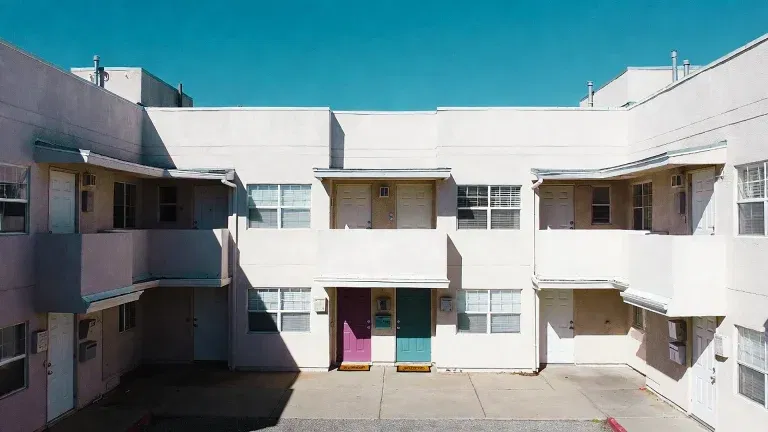
The January 1, 2026 deadline for California's SB 721 balcony inspections has come and gone. If you own a multi-family rental building in Oakland with three or more units and wood-framed exterior elevated elements (balconies, decks, walkways, stairways) more than six feet above grade, your inspections should already be finished. If your inspector flagged problems, the clock started ticking on repairs: 120 days to apply for a building permit, then another 120 days to complete the work once the permit is approved.
That timeline sounds manageable on paper. In practice, Oakland's standard permitting process was wrecking it.
Before the February 2026 update, exterior repair projects that changed the visible appearance of a building, or even triggered certain zoning review thresholds, got routed through Oakland's discretionary Design Review process. That added 70 to 100 days of planning review on top of the 20-to-30-day building plan check. Total processing time: 90 to 130 days, just for the permit. For landlords trying to stay inside their 120-day SB 721 permit application window, this was a math problem with no good answer.
The result? Owners who were actively trying to comply with state safety law got pushed past their deadlines by municipal red tape. And the penalties for missing those deadlines are real: $100 to $500 per day in civil fines, plus the risk of building safety liens recorded against your property.
Oakland's Expanded Design Review Exemption: 30-Day Permits for Exterior Repairs
On February 11, 2026, the City of Oakland published an update to its Planning Code expanding the list of projects exempt from Design Review under Section 17.136.025. The city also launched a new online application specifically for Design Review Exemption (DRX) projects through its Online Permit Center, eliminating the need for a full development application or pre-application Zoning Worksheet.
For qualifying projects, this converts a subjective, discretionary architectural review into an objective checklist. If your project meets the criteria, you skip the design debate and move straight to building plan check.
The numbers tell the story:
| Process Pathway | Planning Review | Building Plan Check | Total Time |
|---|---|---|---|
| Standard Development Review | 70 to 100 days | 20 to 30 days | 90 to 130 days Slow |
| Design Review Exemption (DRX) | 11 to 18 days | 20 to 30 days | 30 to 45 days Fast |
That's not an incremental improvement. It's the difference between making your SB 721 repair deadline and blowing past it.

Which Projects Are Now Exempt from Oakland Design Review?
The expanded DRX covers a specific set of exterior repairs and alterations. Here's what qualifies, and where it intersects with common SB 721 and seismic retrofit work:
Like-for-like deck replacements are exempt from Design Review regardless of square footage or how high they sit on the building. This is the big one for SB 721 compliance. New decks under 30 inches above grade also qualify.
Foundation replacements and repairs are exempt, provided they maintain the existing visual appearance. This matters for owners working through Oakland's Mandatory Soft Story Retrofit Program.
In-kind replacements of exterior elements qualify, but only if you make zero modifications to the original structural frame openings. Same size, same position.
Front fences and gates up to 10 feet tall, and side or rear fences up to 8 feet tall, are categorically exempt.
Like-for-like replacements and repairs of exterior wall cladding.
The full list also includes EV charging equipment, solar panels, small additions and alterations, bathroom and kitchen remodels (like-for-like), signs, and telecommunications equipment. Oakland published the complete list on its DRX webpage.
"Like-for-Like" Means Exactly What It Says. Don't Test It.
Every project in the DRX program is governed by one absolute rule: visual matching. Your replacement must replicate the existing or historic design of the structure. Same materials (or materials that look identical). Same dimensions. Same shadow lines, profiles, and visual weight.
This is where well-meaning contractors create expensive problems.
A contractor who replaces a rotting wood balcony railing with a modern cable-rail system just disqualified your project. Swapping traditional wood siding for fiber-cement that changes the shadow profile does the same thing. Any material deviation sends you back into the standard Development Review queue: 90 to 130 days instead of 30 to 45, plus higher fees from the city's Master Fee Schedule.
When you're hiring contractors for SB 721 repairs or soft story work, put the like-for-like requirement in writing. Your contracts should specify that all exterior materials and dimensions will replicate the existing structure. A contractor who wants to "upgrade" your railing or "modernize" your siding is a contractor who doesn't understand how Oakland permitting works right now.

Five Steps Oakland Landlords Should Take This Month
- Check your SB 721 status today. SB 721 applies to buildings with three or more dwelling units that have wood-framed exterior elevated elements more than six feet above grade. If you haven't completed your inspection, you're already past the January 1, 2026 deadline and subject to Notices of Violation. Hire a qualified inspector (licensed architect, structural engineer, civil engineer, or contractor holding a B, C-5, or C-8 license) immediately. The cost of a late inspection is a fraction of the daily fines that accumulate while you wait.
- Scope your contractors to the DRX standard. Before signing any repair contract, brief your contractor on Oakland's like-for-like requirements. Put it in the contract scope. Make it a condition of payment. One unauthorized aesthetic choice can add months to your timeline and thousands to your costs.
- Get familiar with Oakland's DevHub Online Permit Center. The DRX uses an online-only application through the Online Permit Center. Paper plans walked into the Permit Center won't work for this pathway. Your application needs a single-PDF architectural set and the required Title 24 energy compliance documentation. If you're not comfortable with online submissions, hire a permit expediter who is.
- File your Waste Reduction and Recycling Plan (WRRP) early. Every Oakland building permit requires an approved WRRP through the Green Halo platform before final issuance. This step catches people off guard. Calculate your expected debris tonnage before you submit your permit application, not after.
- Do not skip the permit. Under pressure, it's tempting to just fix the balcony and worry about paperwork later. Don't. Oakland Code Enforcement issues Stop Work Orders for unpermitted structural work, and curing one requires retroactive permits with punitive multiplier fees that can run up to 10 times the standard permit cost. The math never works in your favor.
Oakland Code Enforcement issues immediate Stop Work Orders for unpermitted structural work. Retroactive permits carry punitive multiplier fees up to 10x the normal permit cost. Skipping the permit always costs more than getting one.
You Shouldn't Have to Become a Permit Expert to Own Rental Property
Between SB 721 repair timelines, seismic retrofit deadlines, Oakland rent control regulations, and a permitting system that just got a major overhaul, East Bay landlords are managing more regulatory complexity than at any point in recent memory. The owners who come through this cleanly will be the ones who nail the details: the right inspector, the right contractor scope, the right permit pathway, and the right filing sequence.
That's a full-time job. You already have one.
SLPM Property Management has managed residential rental properties in Oakland and the East Bay since 1978. We coordinate structural engineers, vet contractors, manage permit submissions through Oakland's online portal, and make sure every repair stays inside the DRX like-for-like requirements so your permits move fast. We don't just collect rent. We protect your building from regulatory liability before it becomes a financial problem.
Frequently Asked Questions
Facing SB 721 Deadlines or Permit Confusion? Let's Fix It.
If you're behind on your SB 721 inspection, struggling to scope a contractor for like-for-like repairs, or just need a property management team that actually understands Oakland's regulatory machinery, SLPM can help. We've been doing this in the East Bay for 47 years.
Get a Free Property Management QuoteNo obligation. No sales pitch. Just a straight conversation about what your property needs.