California Balcony Inspection Law: What East Bay Property Owners Need to Know About SB 721 in 2026
Picture this: You own a fourplex in Oakland with second-floor balconies that tenants use for morning coffee and weekend barbecues. Those balconies have been there for decades, looking fine from the street. But underneath the surface, water damage could be quietly compromising the structural integrity—and you’d never know until it’s too late.
This scenario prompted California legislators to pass the California balcony inspection law known as SB 721. If you own a multifamily rental property with three or more units in the East Bay, this law directly affects you. The deadline for your first inspection is January 1, 2026, and the clock is ticking.
Here’s what you need to know about SB 721 compliance, what it covers, and how to get your property ready before the deadline arrives.
What Is SB 721 and Why Does It Exist?
SB 721 is a California state law requiring owners of multifamily rental buildings to have exterior elevated elements professionally inspected for structural safety. The law applies to any residential building with three or more dwelling units.
The legislation emerged from tragedy. In June 2015, a fourth-floor balcony at an apartment complex in Berkeley collapsed during a party, killing six college students and injuring seven others. Investigators determined that severe wood rot from years of water intrusion caused the structural failure. Worse, tenants had previously reported signs of moisture buildup, but the concerns weren’t addressed with appropriate urgency.
California passed SB 721 in 2018 to prevent similar disasters. The law mandates regular inspections of exterior elevated elements—commonly called EEEs—to catch deterioration before it becomes dangerous.
California Balcony Inspection Law Requirements: What Gets Inspected
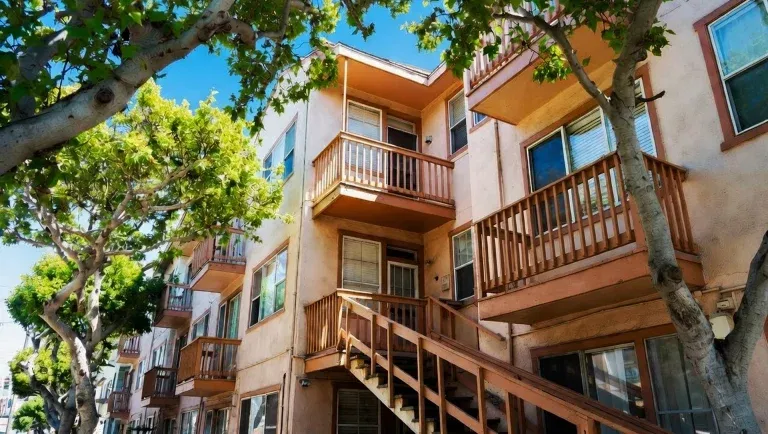
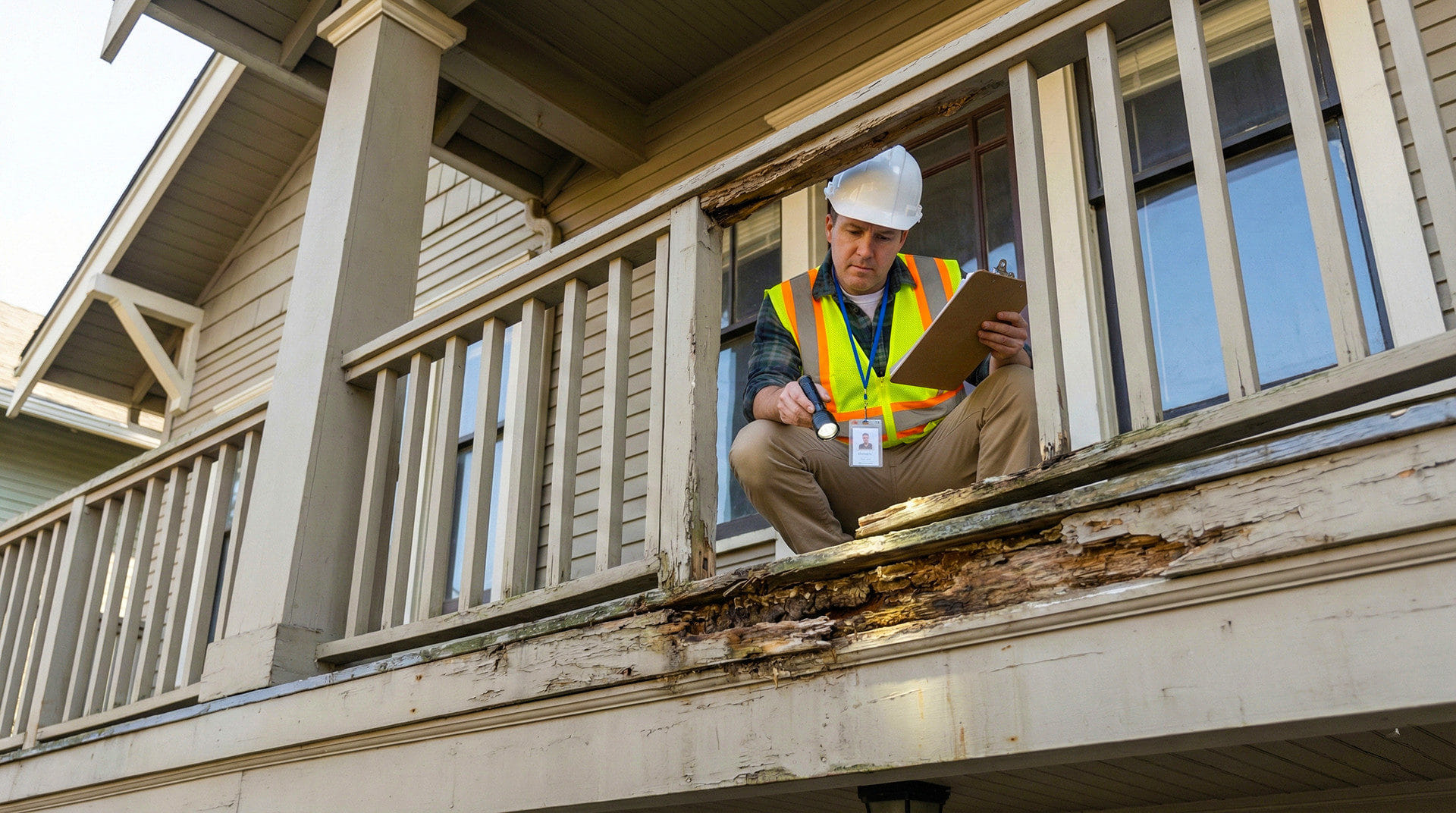
Exterior elevated elements include any structure that extends beyond the building’s exterior walls and sits more than six feet above ground level. The inspection focuses specifically on wood-framed and steel-framed elements—not concrete.
Elements covered under SB 721 include:
- Balconies and decks
- Porches and landings
- Exterior stairways and walkways
- Guardrails and handrails
- Fire escapes
- Associated waterproofing systems and drainage assemblies
Inspectors must examine at least 15% of each type of exterior elevated element on your property. They’ll look for signs of deterioration, decay, corrosion, and water intrusion in load-bearing components. The inspection includes exploratory openings—small cuts or probes that allow the inspector to see what’s happening inside the structure.
Key Deadlines and Inspection Cycles

The original deadline for SB 721 inspections was January 1, 2025. However, Assembly Bill 2579, signed in September 2024, extended this deadline by one year due to a shortage of qualified inspectors statewide.
Current timeline for multifamily rental property owners:
- Initial inspection deadline: January 1, 2026
- Subsequent inspections: Every six years thereafter
- Repair completion: Within 120 days of receiving the inspection report
Don’t wait until late 2025 to schedule your inspection. Qualified inspectors are already booking up, and you’ll need time to complete any required repairs within the 120-day window. SLPM Property Management recommends scheduling inspections at least six months before the deadline.
Who Can Perform SB 721 Inspections?
SB 721 allows several types of licensed professionals to conduct inspections. This flexibility gives property owners more options compared to the stricter requirements for condominium inspections under the related SB 326 law.
Qualified inspectors for SB 721 include:
- Licensed architects
- Licensed civil or structural engineers
- Building contractors holding A, B, or C-5 licenses with at least five years of experience constructing multi-story wood frame buildings
- Certified building inspectors or building officials from recognized associations
When selecting an inspector, request proof of licensing, ask about their experience with SB 721 compliance specifically, and verify they carry professional liability insurance covering balcony inspection work.
Penalties for Non-Compliance
Skipping or delaying your inspection isn’t worth the risk. Local enforcement agencies can impose civil penalties of up to $500 per day for property owners who fail to comply with SB 721 requirements. These penalties can also result in liens against your property.
Beyond fines, non-compliance creates significant liability exposure. If a balcony failure occurs at your property and you haven’t completed the required inspections, you could face negligence claims that are difficult to defend against. Courts may view the failure to inspect as negligence per se—meaning your non-compliance with the law is automatic evidence of negligent behavior.
Insurance carriers are also paying attention. Some insurers may decline coverage or increase premiums for properties that can’t demonstrate SB 721 compliance.
How Bay Area Property Management Companies Can Help
For property owners—especially those managing rentals from out of state—staying on top of California’s evolving regulatory requirements can feel overwhelming. Bay Area property management companies like SLPM Property Management track these deadlines, coordinate inspections, and oversee any necessary repairs.
Working with a local property manager means you have someone on the ground who understands the specific balcony inspection requirements for Alameda and Contra Costa County properties. They can vet qualified inspectors, be present during inspections, obtain repair bids, and ensure work gets completed within the required timeframes.
SLPM Property Management serves rental property owners throughout Oakland and the East Bay, handling everything from tenant screening and rent collection to maintenance coordination and regulatory compliance. When laws like SB 721 take effect, their clients don’t have to scramble—they’re already prepared.
Frequently Asked Questions About SB 721
No. SB 721 only applies to residential buildings with three or more dwelling units. Single-family homes and duplexes are exempt from these inspection requirements.
SB 721 applies to multifamily rental properties (apartments), while SB 326 applies to condominiums governed by homeowner associations. The inspection cycles also differ: SB 721 requires inspections every six years, while SB 326 requires them every nine years. SB 326 also has stricter requirements for who can perform inspections.
If the inspection identifies issues requiring repair, you have 120 days from receiving the report to complete all corrective work. If immediate safety hazards are found, the inspector must notify local code enforcement within 15 days, and you must restrict access to affected areas until repairs are completed and approved.
Costs vary based on property size, number of elevated elements, and local market rates. Budget for both the inspection fee and potential repair costs. Getting multiple bids from qualified inspectors is recommended.
It depends on the scope of work. Routine maintenance repairs typically don’t require permits, but structural repairs, reframing, or replacements usually do. Your inspector’s report should specify what type of work is needed, and your local building department can confirm permit requirements.
Protect Your Property and Your Tenants
California’s balcony inspection law exists because structural failures can be catastrophic—and often preventable. For multifamily rental property owners in Oakland and the East Bay, SB 721 compliance isn’t just about avoiding fines. It’s about ensuring your tenants are safe and protecting your investment from liability.
The January 2026 deadline will arrive faster than you expect. If you’re self-managing your property or working with a management company that isn’t tracking these requirements, now is the time to get proactive.
Get a FREE Property Management Quote